Considering adopting a shelter dog? That’s such a wonderful decision, and I’m genuinely excited for you. But before you bring your new furry friend home, there are a few things worth knowing ahead of time. This guide will walk you through what to expect during the adoption process and how to make that first stretch together as smooth as possible.
The 3-3-3 Rule
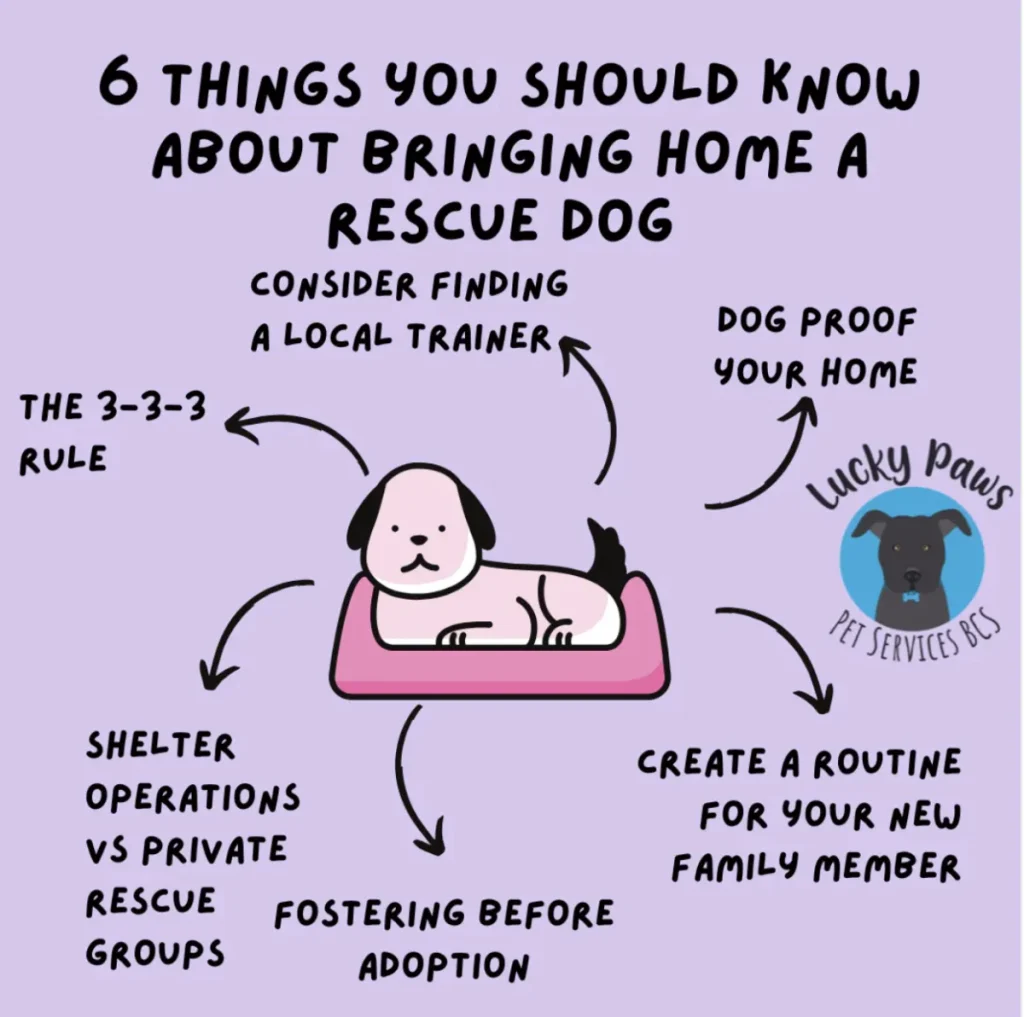
If you spend any time researching dog adoption, you’ll probably run into the “3-3-3 Rule” — it’s a phrase used a lot in the pet care industry to describe the general timeline of a dog settling into a new home: the first 3 days, the first 3 weeks, and the first 3 months.
Phase 1: The First 3 Days
Your dog is processing a lot of change all at once, so don’t be surprised if they seem overwhelmed, anxious, or even a little shut down at first. This is completely normal. Focus on establishing a simple, consistent routine right away — it goes a long way toward helping your new dog feel secure in an unfamiliar place.
Phase 2: The Following 3 Weeks
This is when the real bonding starts. Keep building trust with your dog through calm, predictable interactions, and start layering in basic training — commands like “sit,” “stay,” “come,” and “leave it” are great places to begin. You can also start gradually introducing your dog to other pets and people, always at a pace they’re comfortable with.
Phase 3: The First 3 Months
By now, your dog’s true personality is likely starting to shine through — this is often when you really get to know who they are. It’s also common for behavioral issues to surface during this window, so this is a good time to start addressing anything that comes up. And don’t forget to get your dog on the books for a veterinary check-up to make sure everything looks good health-wise.
Shelter Operations vs. Private Rescues
It helps to understand the difference between where your new dog might be coming from. Private rescues typically don’t have a physical facility — instead, dogs live in foster homes, which means they’ve likely already been exposed to home life, other pets, and everyday situations, and their personality has had a chance to come through a bit more. Traditional shelters, on the other hand, tend to be more routine and kennel-based, which means a dog may not have spent much time in an actual home environment before coming to you. Neither path is better or worse — it just helps to know what your dog’s starting point likely looked like.
Consider Fostering Before You Adopt
Fostering is one of the best ways to find out if a dog truly fits your life before making it official. It gives the dog a break from the shelter environment and gives you a real, low-pressure trial run of what life together would actually look like.
Build a Routine for Your New Family Member
When does your new dog want to eat, go potty, or get their exercise in — and how does that fit into your already busy schedule? (Psst — this is exactly the kind of thing I can help with.) A predictable routine helps your dog acclimate to their new life and gives them a sense of peace, because they know what’s coming next in their day.
Dog-Proof Your Home
There’s nothing worse than coming home to a shredded couch because your new pup got bored and anxious while you were gone. A few things that help:
- Kennel training gives your dog a space that’s entirely their own — a safe retreat rather than a punishment.
- Interactive treat toys — frozen Kongs, puzzle toys, snuffle mats, and lick mats — are great tools for keeping their brain engaged and cutting down on destructive behavior.
Consider Finding a Local Trainer
A good dog trainer is one of the best resources you can have on this journey. They can guide you through those early weeks, help troubleshoot behavior as it comes up, and even help you figure out what kind of dog would actually fit your lifestyle best if you’re still in the decision-making stage.
Bringing home a shelter dog is one of the most rewarding things you can do — and you don’t have to figure out the routine part alone. If you need help keeping your new pup on a consistent schedule while you’re at work or settling into this new chapter, Lucky Paws BCS is here for exactly that. Reach out anytime — I’d love to help.